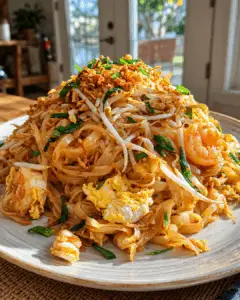
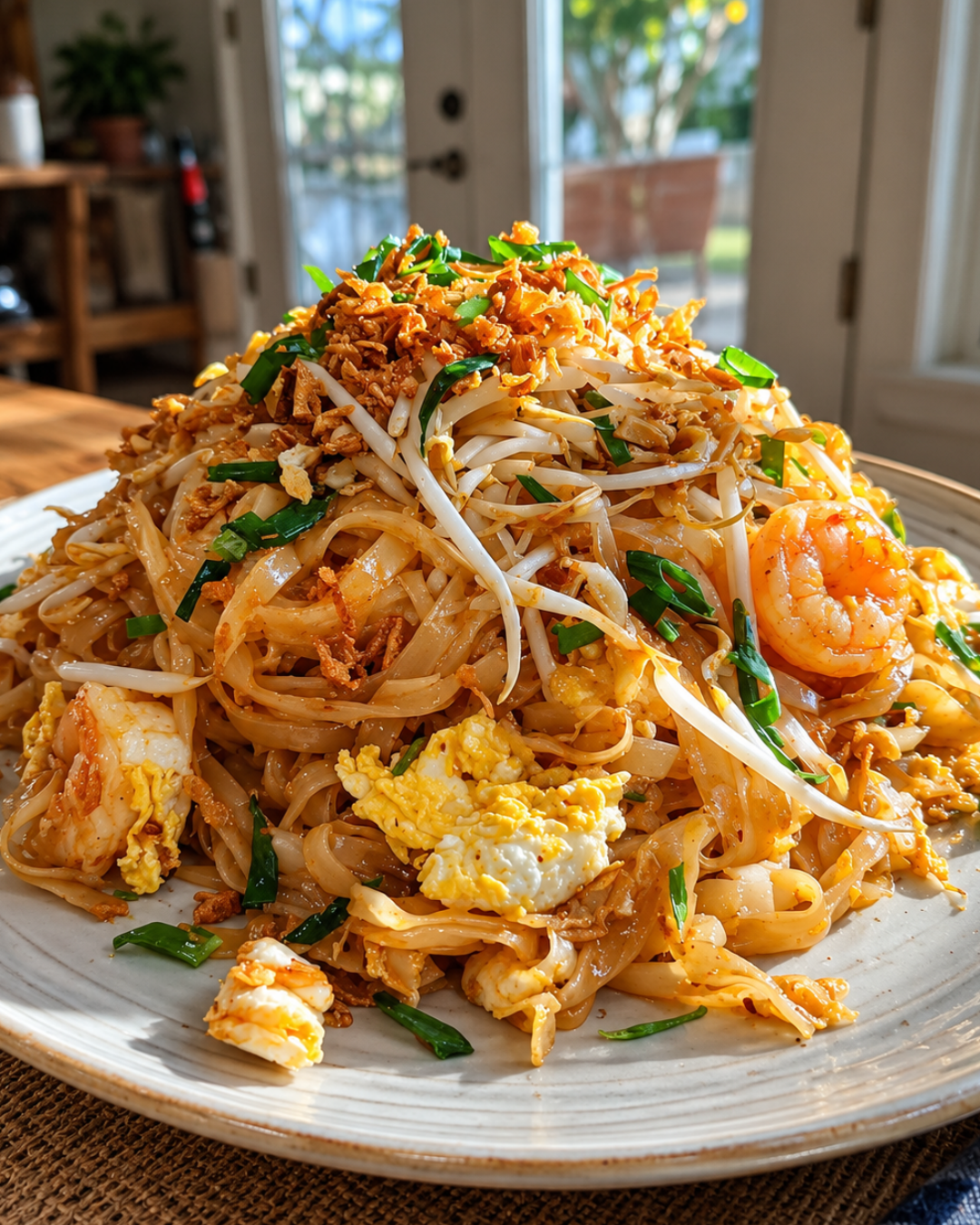
Introduction to Traditional Pad Thai
There’s something magical about the aroma of stir-fried noodles wafting through the kitchen. Traditional Pad Thai is more than just a meal; it’s a comforting embrace on a busy weeknight or a delightful dish to impress friends at a gathering. With its perfect balance of sweet, sour, and savory flavors, this recipe is a quick solution for those hectic days when you crave something delicious yet easy to whip up. Trust me, once you master this classic Thai dish, you’ll find yourself reaching for it time and again, making it a staple in your culinary repertoire.
Why You’ll Love This Traditional Pad Thai
This Traditional Pad Thai is a game-changer for your weeknight dinners. It’s quick to prepare, taking just 45 minutes from start to finish. The flavors are vibrant and satisfying, making it a hit with everyone at the table. Plus, it’s versatile! You can easily customize it to suit your taste or dietary needs. Whether you’re a novice cook or a seasoned pro, this dish will elevate your home cooking experience.
Ingredients for Traditional Pad Thai
Gathering the right ingredients is key to creating an authentic Traditional Pad Thai. Here’s what you’ll need:
- Dried flat rice noodles: The star of the dish, these noodles soak up all the delicious flavors.
- Medium shrimp: Fresh or frozen, shrimp adds a delightful seafood flavor and protein boost.
- Large eggs: They bring richness and help bind the dish together.
- Fresh bean sprouts: These crunchy sprouts add texture and freshness.
- Garlic chives or green onions: They provide a mild onion flavor and vibrant color.
- Garlic: Minced garlic infuses the dish with aromatic goodness.
- Vegetable oil: Essential for stir-frying, it helps achieve that perfect sear.
- Firm tofu (optional): For a vegetarian twist, tofu adds protein and a satisfying bite.
- Roasted peanuts: Chopped peanuts give a crunchy finish and nutty flavor.
- Lime: Lime wedges are perfect for squeezing over the dish, enhancing the flavors.
- Fresh cilantro (optional): Adds a burst of freshness and color, if you enjoy its unique taste.
- Crushed red pepper flakes (optional): For those who like a little heat, these flakes can spice things up.
- Tamarind paste: This tangy ingredient is crucial for that authentic Pad Thai flavor.
- Fish sauce: A staple in Thai cooking, it adds depth and umami.
- Palm sugar or brown sugar: Sweetness balances the dish, enhancing the overall flavor profile.
- Oyster sauce (optional): Adds richness and complexity, but can be skipped for a vegetarian version.
- Water: Used as needed to adjust the sauce consistency.
For exact measurements, check the bottom of the article where you can find everything listed for easy printing!
How to Make Traditional Pad Thai
Now that you have all your ingredients ready, let’s dive into the cooking process. Making Traditional Pad Thai is a delightful journey that combines flavors and textures. Follow these steps, and you’ll be savoring your homemade dish in no time!
Step 1: Soak the Rice Noodles
Start by soaking the dried flat rice noodles in a large bowl of warm water. Let them sit for about 20–30 minutes, or until they’re pliable but still slightly firm. This step is crucial; avoid boiling them, as they’ll finish cooking in the skillet later. Once soaked, drain the noodles well and set them aside.
Step 2: Prepare the Sauce
In a small bowl, whisk together the tamarind paste, fish sauce, palm sugar, and oyster sauce if you’re using it. Add a splash of water to help dissolve the sugar. Taste the sauce and adjust the balance of sweet, sour, and salty flavors to your liking. This sauce is the heart of your Traditional Pad Thai, so make it count!
Step 3: Cook the Shrimp
Heat 1 tablespoon of vegetable oil in a large wok or skillet over medium-high heat. Once hot, add the shrimp. Cook them for about 1–2 minutes per side until they turn pink and are nearly cooked through. Remove the shrimp from the pan and transfer them to a plate. Don’t worry; they’ll finish cooking later!
Step 4: Cook the Aromatics and Tofu
Add the remaining tablespoon of oil to the wok. Toss in the minced garlic and tofu, if you’re using it. Stir-fry for 1–2 minutes until fragrant and lightly golden. The aroma will be irresistible, and this step adds depth to your dish.
Step 5: Scramble the Eggs
Push the garlic and tofu to one side of the wok. Crack the eggs into the empty space and scramble them gently. Cook until just set, which should take about a minute. This adds richness and a lovely texture to your Traditional Pad Thai.
Step 6: Add the Noodles and Sauce
Now it’s time to add the drained rice noodles to the wok. Pour the prepared sauce over them and toss everything together using tongs. Stir for about 2–4 minutes, allowing the noodles to absorb the sauce. If they seem too firm, add water one tablespoon at a time until you reach the desired consistency.
Step 7: Return the Shrimp to the Wok
Once the noodles are tender but still slightly chewy, return the cooked shrimp to the wok. Add the garlic chives or green onions and toss everything together. Cook for another minute until the shrimp are fully cooked and heated through.
Step 8: Add the Vegetables
Stir in half of the fresh bean sprouts and toss briefly. You want them to soften just a bit while still retaining their crunch. This adds a refreshing element to your Traditional Pad Thai.
Step 9: Garnish and Serve
Divide the Pad Thai among four plates. Top each serving with chopped roasted peanuts, the remaining bean sprouts, and cilantro if desired. For a little kick, sprinkle some crushed red pepper flakes on top. Serve immediately with lime wedges for squeezing over the noodles. Enjoy your delicious creation!
Tips for Success
- Prep all ingredients before you start cooking to streamline the process.
- Don’t skip soaking the noodles; it’s key for the perfect texture.
- Adjust the sauce to your taste; balance is everything in Traditional Pad Thai.
- Use high heat for stir-frying to achieve that signature smoky flavor.
- Experiment with veggies like bell peppers or carrots for added nutrition.
Equipment Needed
- Wok or large skillet: A wok is ideal for stir-frying, but a large skillet works too.
- Mixing bowls: For soaking noodles and preparing the sauce.
- Tongs: Perfect for tossing the noodles and ingredients together.
- Measuring cups and spoons: Essential for accurate ingredient measurements.
Variations of Traditional Pad Thai
- Vegetarian Pad Thai: Omit the shrimp and fish sauce. Use soy sauce and add extra tofu or tempeh for protein.
- Chicken Pad Thai: Substitute shrimp with sliced chicken breast. Cook it until golden before adding the other ingredients.
- Spicy Pad Thai: Increase the crushed red pepper flakes or add fresh chili peppers for a fiery kick.
- Peanut Butter Pad Thai: Stir in a tablespoon of creamy peanut butter into the sauce for a richer, nutty flavor.
- Seafood Pad Thai: Mix shrimp with other seafood like scallops or squid for a delightful seafood medley.
Serving Suggestions for Traditional Pad Thai
- Fresh lime wedges: Serve alongside for a zesty squeeze that brightens the dish.
- Thai iced tea: A sweet, creamy drink that complements the flavors beautifully.
- Spring rolls: Crispy rolls make a perfect appetizer to start your meal.
- Chili sauce: Offer a side of sriracha for those who crave extra heat.
- Garnish with extra peanuts: A sprinkle on top adds crunch and visual appeal.
FAQs about Traditional Pad Thai
What makes Traditional Pad Thai different from other noodle dishes?
Traditional Pad Thai stands out due to its unique balance of sweet, sour, and salty flavors, achieved through ingredients like tamarind paste and fish sauce. The stir-frying technique also gives it a distinct smoky flavor that you won’t find in many other noodle dishes.
Can I make Traditional Pad Thai ahead of time?
While it’s best enjoyed fresh, you can prepare the sauce and soak the noodles in advance. Just store them separately in the fridge. When you’re ready to eat, simply stir-fry everything together for a quick meal.
Is Traditional Pad Thai gluten-free?
Yes, Traditional Pad Thai can be gluten-free! Just ensure you use gluten-free soy sauce instead of fish sauce and check that your rice noodles are certified gluten-free. This way, you can enjoy this delicious dish without worry.
What can I substitute for shrimp in Traditional Pad Thai?
If you’re not a fan of shrimp, you can easily substitute it with chicken, tofu, or even a mix of vegetables. Each option brings its own flavor and texture, making it a versatile dish for everyone.
How can I adjust the spice level in Traditional Pad Thai?
To control the spice level, simply adjust the amount of crushed red pepper flakes you add. For a milder version, start with a small pinch and gradually increase it to your taste. You can also serve sriracha on the side for those who enjoy a little extra heat!
Final Thoughts
Cooking Traditional Pad Thai is more than just preparing a meal; it’s about creating a moment of joy in your kitchen. The vibrant colors, enticing aromas, and delightful flavors come together to form a dish that warms the heart and satisfies the soul. Whether you’re sharing it with family or enjoying a quiet night in, this recipe brings a taste of Thailand right to your table. With each bite, you’ll savor the balance of sweet, sour, and savory notes, reminding you that great food has the power to connect us all. Dive in and enjoy every delicious moment!
PrintTraditional Pad Thai: Discover the Perfect Recipe!
- Total Time: 45 minutes
- Yield: 4 servings
- Diet: Gluten Free
Description
A classic Thai dish featuring stir-fried rice noodles, shrimp, and a flavorful sauce, garnished with fresh vegetables and peanuts.
Ingredients
- 8 oz dried flat rice noodles
- 12 oz medium shrimp, peeled and deveined
- 2 large eggs
- 2 cups fresh bean sprouts
- 1 cup garlic chives or green onions, cut into 2-inch pieces
- 3 cloves garlic, minced
- 2 tbsp vegetable oil
- ½ cup firm tofu, cut into small cubes, optional
- ¼ cup roasted peanuts, roughly chopped
- 1 lime, cut into wedges
- ¼ cup fresh cilantro, chopped, optional
- ¼ tsp crushed red pepper flakes, optional
- 3 tbsp tamarind paste
- 3 tbsp fish sauce
- 2 tbsp palm sugar or brown sugar
- 1 tbsp oyster sauce, optional
- 2 tbsp water, as needed
Instructions
- Soak the rice noodles. Place the dried rice noodles in a large bowl and cover with warm water. Soak for 20–30 minutes, or according to the package directions, until pliable but still slightly firm. Drain well. Avoid boiling them, as they will finish cooking in the skillet.
- Prepare the sauce. In a small bowl, whisk together the tamarind paste, fish sauce, palm sugar, oyster sauce if using, and water. Stir until the sugar dissolves. Taste and adjust the balance of sweet, sour, and salty flavors.
- Cook the shrimp. Heat 1 tablespoon of vegetable oil in a large wok or skillet over medium-high heat. Add the shrimp and cook for 1–2 minutes per side, until pink and nearly cooked through. Transfer to a plate.
- Cook the aromatics and tofu. Add the remaining tablespoon of oil to the wok. Add the garlic and tofu, if using, and stir-fry for 1–2 minutes until fragrant and lightly golden.
- Scramble the eggs. Push the garlic and tofu to one side of the wok. Crack the eggs into the empty space and scramble gently until just set.
- Add the noodles and sauce. Add the drained rice noodles and pour the prepared sauce over them. Toss with tongs for 2–4 minutes, allowing the noodles to absorb the sauce. If the noodles are too firm, add water 1 tablespoon at a time.
- Return the shrimp to the wok. Add the cooked shrimp and garlic chives or green onions. Toss everything together until the shrimp are fully cooked and the noodles are tender but still slightly chewy.
- Add the vegetables. Stir in half of the bean sprouts and toss briefly, just until they begin to soften while retaining their crunch.
- Garnish and serve. Divide the Pad Thai among four plates. Top with chopped roasted peanuts, the remaining bean sprouts, cilantro if desired, and crushed red pepper flakes. Serve immediately with lime wedges for squeezing over the noodles.
Notes
- Adjust the sauce ingredients to taste for a balance of sweet, sour, and salty.
- For a vegetarian version, omit the shrimp and fish sauce, and use soy sauce instead.
- Feel free to add other vegetables like bell peppers or carrots for extra nutrition.
- Prep Time: 30 minutes
- Cook Time: 15 minutes
- Category: Main Course
- Method: Stir-fry
- Cuisine: Thai
Nutrition
- Serving Size: 1 plate
- Calories: 400
- Sugar: 5g
- Sodium: 800mg
- Fat: 15g
- Saturated Fat: 2g
- Unsaturated Fat: 10g
- Trans Fat: 0g
- Carbohydrates: 50g
- Fiber: 3g
- Protein: 20g
- Cholesterol: 150mg